Greener Plate Future

Chandan Singh
| 24-09-2026
 · Food Team
Hello, Lykkers! Let's talk about the future of food. Not the distant, sci-fi kind where we swallow a pill for dinner, but the very real, very delicious shift happening right now.
It's about rethinking everything we eat from the ground up. Our plates are getting a green makeover, and it's not just about kale and quinoa.
The Rise of the Tiny Titans
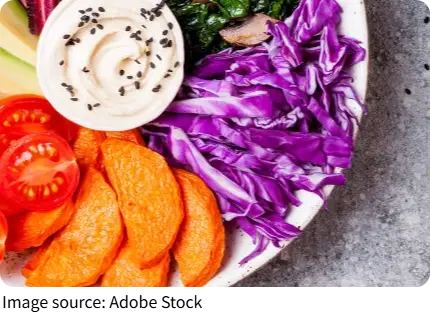
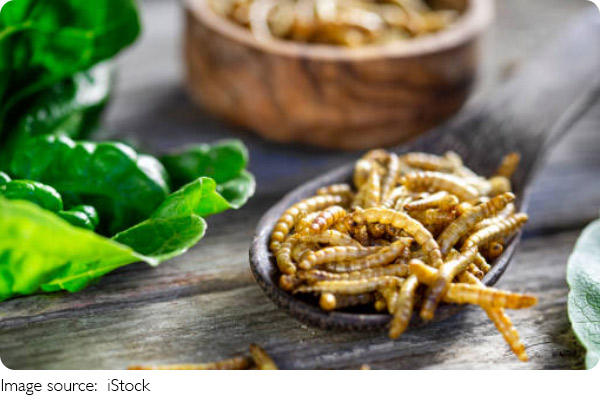
Forget the giant cow burgers. The future is small but mighty. Edible insects are creeping onto menus faster than you can say "insect flour." They're packed with protein, require a fraction of the land and water compared to livestock, and they don't moo. Imagine swapping your chicken nuggets for roasted mealworm snacks that taste like crunchy nuts.
It might sound weird now, but so did sushi once. And guess what? They're already popping up in protein bars, pasta, and even burger patties. The trick is hiding them in familiar forms until everyone forgets they're eating bugs.
Lab Grown Meat Without the Guilt
Then there's the big one: cultivated meat. No, it's not test tube slime. It's real animal cells grown in a controlled environment, meaning no cleavers, no farms, just clean protein. It uses way less water and land, and produces far fewer greenhouse gases. Companies are already selling chicken nuggets and meat bites made this way in places like Singapore and the US.
The only catch? It's still pricier than traditional meat. But as technology scales, costs will drop faster than a dropped fork. Soon, you might not need to choose between your main course and the planet.
Plant Based Everything Done Better
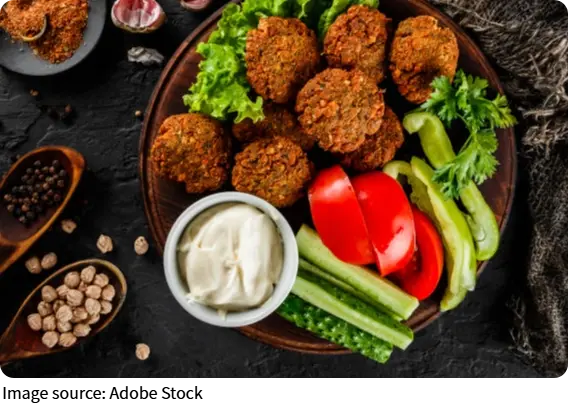
Plant based protein isn't new, but it's getting a major upgrade. No more cardboard tasting veggie burgers. New techniques use fermentation and precision processing to create meaty textures without any animals. Think mushroom based smoky strips that actually sizzles, or pea protein chicken that shreds just like the real thing. The future is about food that's not just green, but also crave worthy. And the best part? It's cheaper for your wallet and kinder to Mother Nature.
Waste Not, Want Not
Sustainable eating also means wasting less. Creative chefs are turning coffee grounds into flour, broccoli stalks into noodles. At home, we'll see smart fridges that help us track expiration dates and apps that turn sad produce into fermented goodies. The goal: make every bite count. Even imperfect fruit is getting its moment. Why toss a crooked carrot when it tastes exactly like a straight one?
Fermentation Gets Smarter
Fermentation is moving far beyond yogurt and kimchi. Scientists are using microorganisms to produce proteins, fats, and other ingredients that can replace animal-based foods. This technology can create ingredients with familiar tastes and textures while using fewer resources than traditional livestock farming.
You may already be eating products made with fermentation without realizing it. In the future, the same approach could help produce everything from dairy alternatives to new cooking ingredients, giving food makers more ways to create sustainable products without sacrificing flavor.
Food Grows Closer to Home
The future of sustainable food is also about where our meals come from. Vertical farms, rooftop gardens, and controlled indoor growing systems can produce fresh vegetables closer to the people who eat them. These systems can operate throughout the year and use carefully controlled amounts of water, light, and nutrients.

Instead of traveling long distances from farms to supermarkets, some foods could be grown directly inside or near cities. Your future salad might come from a farm just a few blocks away.
The future of food will probably not be built around one magical replacement for today's meals. Instead, it will come from many smaller changes, from insects and cultivated meat to better plant proteins, smarter farming, and less food waste. The result could be a plate that is more diverse, more efficient, and easier on the planet. And luckily, sustainable food does not have to mean boring food.